Why Isn’t Buying or Selling a Boat Easier?
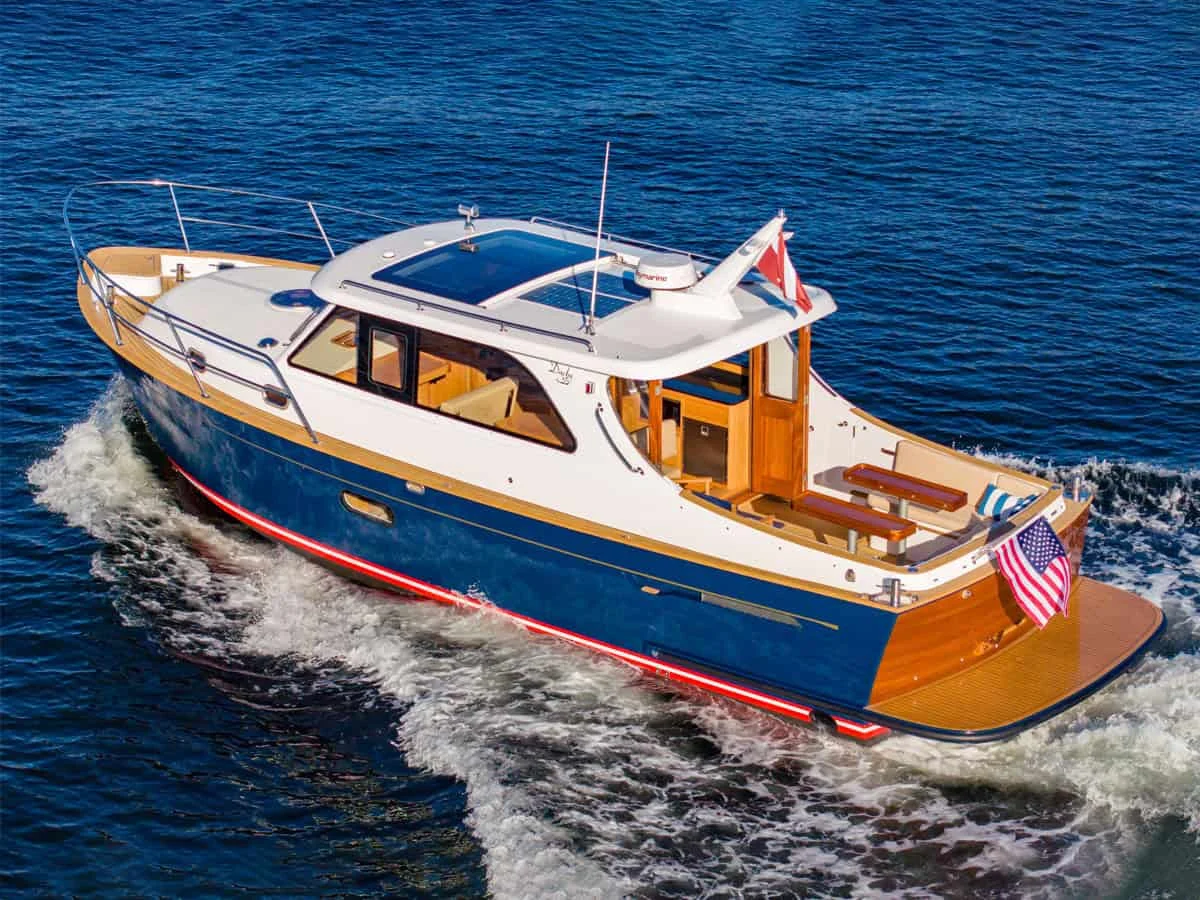
Recently, I watched an experienced boat owner sell one boat and purchase another within the span of two months.
He was not new to complicated transactions. He had bought and sold homes, companies, and other significant assets. He understood negotiation, due diligence, contracts, financing, and closing processes.
And yet, he was repeatedly surprised by the boat-buying and boat-selling process.
Not by the condition of the boats. Boats are complicated machines, and surprises uncovered during a survey are sometimes unavoidable.
The surprising part was the process itself.
Who was responsible for arranging the haul-out? When should the insurance company become involved? At what point should financing be finalized? Who was confirming title, liens, state registration, or Coast Guard documentation? What exactly happened after the survey? When did the buyer become obligated to close? What needed to be completed before money and possession changed hands?
The answers existed. They just were not always presented in a clear sequence.
That raises a reasonable question:
Why isn’t buying or selling a boat easier?
A bespoke asset does not require an improvised process
Every boat is different. Age, construction, engines, systems, maintenance history, location, intended use, ownership structure, and documentation status can all affect a transaction.
A wooden sailboat, an offshore cruising yacht, and a high-performance powerboat should not be evaluated in exactly the same way.
That is where expertise matters.
But a customized transaction should not be confused with an undefined transaction.
Residential real estate offers a useful comparison. Homes differ enormously, but most buyers and sellers understand the basic progression:
- 1. Prepare or search for the property.
- 2. Make and negotiate an offer.
- 3. Conduct inspections.
- 4. Resolve inspection issues.
- 5. Complete financing and title work.
- 6. Obtain insurance.
- 7. Close.
- 8. Transfer possession.
The details vary, but the roadmap is familiar.
In business acquisitions, investment bankers often take even greater control of the process. They establish a timeline, organize information, identify decision points, coordinate specialists, track open issues, and continually tell the client what has happened, what happens next, and what could disrupt the transaction.
Boat brokerage deserves the same discipline.
The broker should be the transaction quarterback
A broker’s job is not simply to find a buyer or locate a boat.
A highly capable broker should manage four things throughout the transaction:
1. The map
At the beginning, the client should receive a clear explanation of the entire process.
That roadmap should cover the major stages, expected timing, responsibilities, documents, costs, contingencies, and likely decision points.
The client should not learn about important requirements only when they become urgent.
2. The clock
Boat transactions contain multiple deadlines.
The purchase and sale agreement may establish dates for the deposit, survey, sea trial, acceptance or rejection, financing, and closing. Missing one can affect a party’s contractual rights.
Someone must own the calendar.
The broker should clearly identify every deadline, confirm who is responsible for each action, and communicate upcoming requirements before they become emergencies.
3. The risks
A boat transaction involves more than agreeing on price.
Potential issues include:
- Physical condition
- Engine and machinery performance
- Insurance availability
- Financing approval
- Ownership and title history
- Recorded mortgages or other liens
- State registration or federal documentation
- Tax consequences
- Included and excluded equipment
- Delivery, storage, and dockage
- Repair obligations
- Timing of possession
The broker is not expected to replace the surveyor, lender, insurer, documentation specialist, tax adviser, or maritime attorney.
The broker should, however, recognize when those specialists are needed, introduce them at the correct time, and make sure their work fits into the larger transaction.
4. The communication
Most transaction anxiety comes from uncertainty.
Clients should always understand:
- What has been completed
- What remains open
- Who owns each next step
- Which decisions are required
- Which deadlines are approaching
- Which issues could affect the closing
A brief, disciplined transaction update can prevent a great deal of confusion.
Buyers need guidance before they make an offer
Many buyers begin investigating insurance and financing only after finding the boat they want.
That can be too late.
Insurers may have concerns about a vessel’s age, construction, cruising area, hurricane plan, ownership structure, operator experience, or survey findings. Lenders may have their own requirements concerning vessel age, valuation, surveyor qualifications, documentation, and insurance.
A buyer does not necessarily need every approval before beginning a search. But the basic feasibility questions should be addressed before entering into a binding agreement.
The same applies to representation.
A buyer should understand who the broker represents, how the broker is compensated, whether another broker is involved, and who is responsible for protecting the buyer’s particular interests.
Sellers need to begin with documentation, not photography
Photography and presentation matter. But the most beautiful listing in the market will not close smoothly if the seller cannot demonstrate clear ownership or resolve an existing loan or lien.
Before a boat is listed, the broker and seller should assemble a transaction file containing:
- Ownership documents
- Registration or Certificate of Documentation
- Loan and lien information
- Maintenance records
- Equipment inventories
- Major invoices
- Previous surveys, when appropriate
- Warranty information
- Tender and trailer documentation
- A clear list of items included in or excluded from the sale
This is the boating equivalent of a transaction data room: one organized source of information that allows questions to be answered accurately and efficiently.
Preparation also means deciding which deficiencies should be corrected before the boat comes to market. A poorly functioning system discovered during a buyer’s survey may cost far more—in price reductions, delays, or lost confidence—than it would have cost to address before listing.
The goal is not a transaction without problems
Boats are complex. Surveys uncover issues. Engines need further inspection. Weather interrupts sea trials. Documentation questions arise. Financing and insurance occasionally take longer than expected.
The goal is not to pretend those complications can be eliminated.
The goal is to prevent avoidable surprises and manage unavoidable ones professionally.
Clients should never be wondering:
“Who was supposed to handle this?”
“Why are we only learning about this now?”
“What happens next?”
Expertise should make complexity feel manageable
A premier brokerage distinguishes itself not merely by the boats it represents, but by the quality of the experience it creates.
That means combining market knowledge and judgment with rigorous execution.
At Wellington Yacht Partners, we believe buying or selling a yacht should feel personal without feeling improvised. Every transaction will have unique considerations, but every client deserves a visible roadmap, clearly assigned responsibilities, disciplined communication, and an experienced professional guiding the process from the first conversation through the final handover.
Buying a boat will always involve emotion, judgment, and a certain amount of adventure.
The transaction itself does not need to be one.